 Astha SangrahASTHA SANGRAHhttps://asthasangrah.com
Chaitra Navratri
Chaitra Navratri is the nine-day worship observed at the start of the Hindu new year, running from Chaitra Shukla Pratipada to Navami tithi, that is, through to Ram Navami.
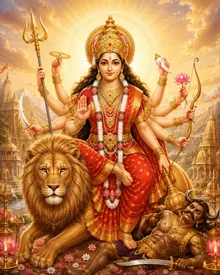
The Pratipada tithi of Chaitra Navratri is also considered the start of the Hindu new year, the Vikram Samvat, and this same day is celebrated as Gudi Padwa (Maharashtra) and Ugadi (Andhra-Karnataka). Ghatasthapana's exact muhurat varies by city, so check a local panchang.
Significance of Chaitra Navratri
Chaitra Navratri is observed in the spring season, which is why it is also called the 'Vasantik Navratri'. It is one of the year's four Navratris, and begins with Chaitra Shukla Pratipada, which also marks the start of the Hindu new year. It is believed that Lord Brahma began the creation of the universe on this very day.
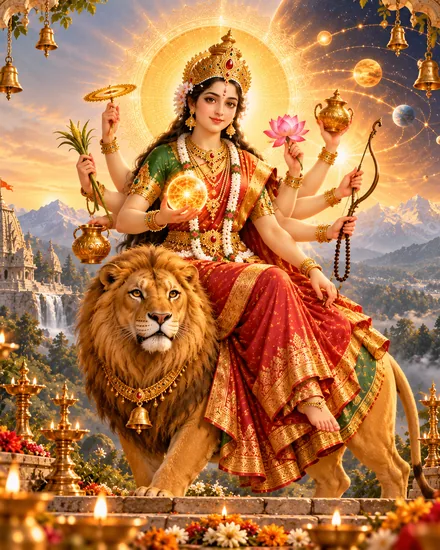
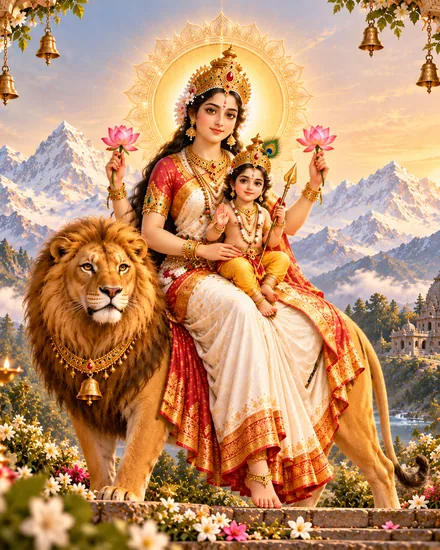
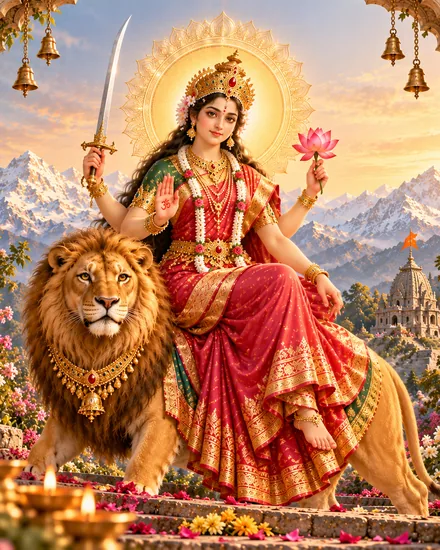
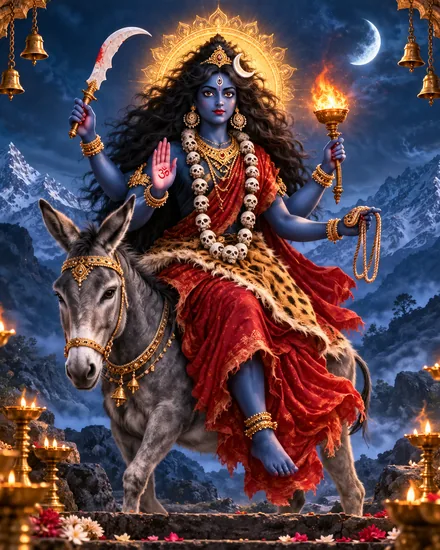
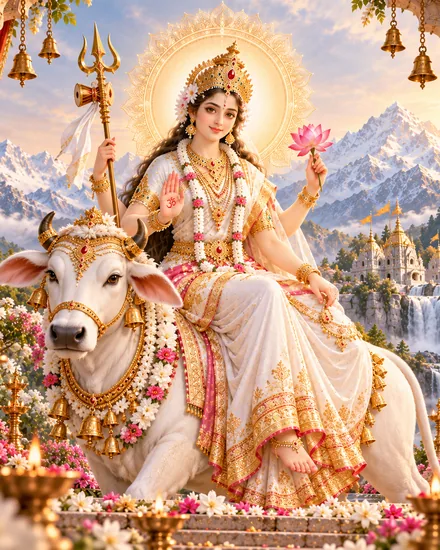
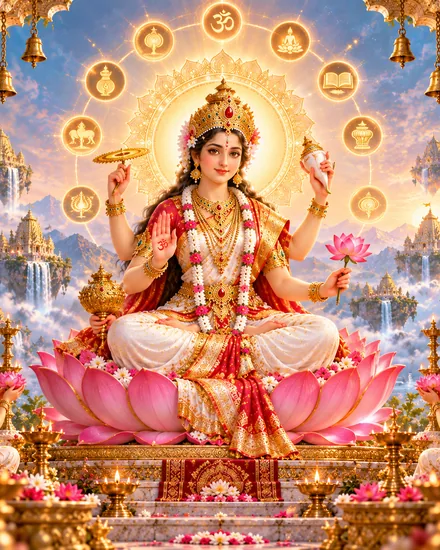
As with Shardiya Navratri, Chaitra Navratri also sees the sequential worship of Maa Durga's nine forms, Shailputri, Brahmacharini, Chandraghanta, Kushmanda, Skandamata, Katyayani, Kalaratri, Mahagauri, and Siddhidatri, with Ghatasthapana performed and an akhand jyoti lit through the nine days.
The ninth and final day of Chaitra Navratri, Navami tithi, is celebrated as Ram Navami, the birth anniversary of Lord Rama. This is why Chaitra Navratri is a festival not only of Maa Durga's worship but also of remembering Shri Ram, the Maryada Purushottam.
Navratri's Nine Forms
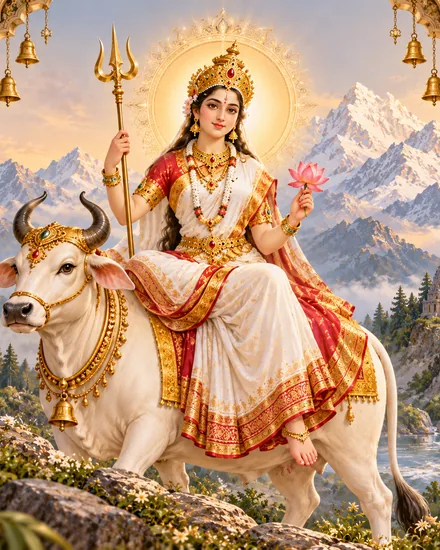
Maa Shailputri
Day 1Mantra: Om Aim Hreem Kleem Shailaputryai Namah
Bhog: Pure cow's ghee · Health, stability, and longevity
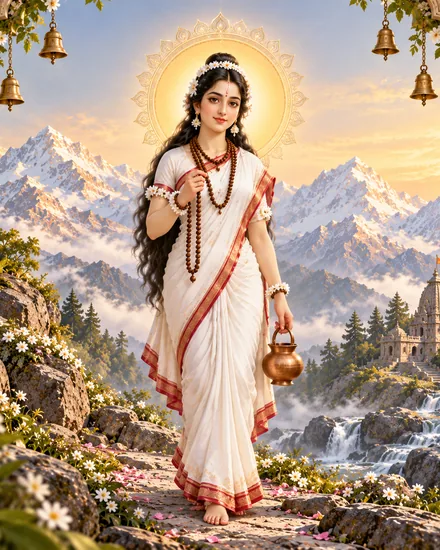
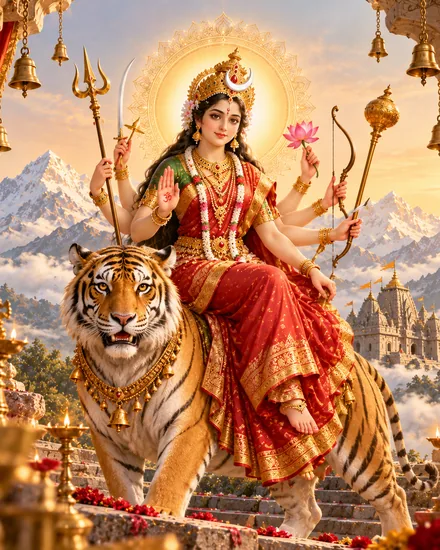
Maa Chandraghanta
Day 3Mantra: Om Aim Hreem Kleem Chandraghantayai Namah
Bhog: Milk and milk-based dishes · Courage, valour, and freedom from fear
Maa Katyayani
Day 6Mantra: Om Devi Katyayanyai Namah
Bhog: Honey · Removal of obstacles in marriage
How Chaitra Navratri Is Celebrated
On the first day, Ghatasthapana is performed, barley seeds are sown in an earthen pot, and a water-filled kalash topped with mango leaves and a coconut is set up to invoke Maa Durga, with an akhand jyoti lit at home.
Each day, the corresponding form of the goddess is worshipped along with the Durga Chalisa. In Maharashtra, this same Pratipada is celebrated as 'Gudi Padwa', with a gudi flag decorated at the doorway, while Andhra Pradesh and Karnataka observe 'Ugadi'.
On the ninth day, Navami, homes celebrate the birth of Lord Rama, Kanya Pujan is performed, and a havan concludes the nine days of worship.
Chaitra Navratri Puja Vidhi
On Pratipada tithi, bathe in the morning, sow barley seeds in an earthen pot, set up the kalash to invoke Maa Durga, and light the akhand jyoti. Each day, meditate on that day's form and recite the Durga Chalisa. On the ninth day, perform Kanya Pujan and a havan, concluding the worship along with the celebration of Lord Rama's birth.
Rules for Ghatasthapana
- The most auspicious time is the first one-third of the day while Pratipada tithi prevails.
- If that window isn't available, Ghatasthapana can be done during Abhijit Muhurat.
- Ghatasthapana is prohibited during Amavasya and at night; complete it before midday, while Pratipada prevails.
Items for Kalash Sthapana
- A wide clay pot for sowing grains
- Clean soil
- Sapta Dhanya (seven kinds of grain) or barley
- A small clay or brass kalash
- Ganga jal or other pure water
- Sacred thread (moli / kalava)
- Scent (itra)
- Supari (betel nut)
- Coins
- Five mango or ashoka leaves
- A lid for the kalash
- Akshat (unbroken raw rice)
- An unpeeled coconut
- Red cloth
- Flowers and a garland (marigold preferred)
- Durva grass
Kalash Sthapana Vidhi
Bathe in the morning, wear clean clothes and purify the puja space, then follow these steps in order within the muhurat.
- 1
Prepare the grain pot
Spread a first layer of soil in the wide clay pot and scatter grain seeds over it. In the second layer, spread the seeds near the rim of the pot, then add a final layer of soil and sprinkle a little water if needed.
- 2
Tie the moli and fill the kalash
Tie the sacred thread around the neck of the kalash and fill it with Ganga jal or pure water.
- 3
Add the offerings
Drop supari, scent, durva grass, akshat and coins into the water.
- 4
Place the leaves and the lid
Arrange five mango or ashoka leaves around the mouth of the kalash, then cover it with the lid.
- 5
Set the coconut
Wrap the unpeeled coconut in red cloth, fasten it with moli, and place it on top of the kalash.
- 6
Place the kalash on the grain pot
Set the prepared kalash in the centre of the clay pot where the grains are sown.
- 7
Invocation and Panchopachara Puja
Invoke Maa Durga and pray that she reside in the kalash for the nine days. Then perform Panchopachara Puja with five offerings: lamp, dhoop, flowers, scent and naivedya (fruits and sweets).
- 8
Akhand Jyoti
As per tradition, light the akhand jyoti, which is kept burning through all the days of Navratri.
About Chaitra Navratri
Chaitra Navratri is the festival of worship dedicated to Maa Durga's nine forms, running with the Hindu new year from Chaitra Shukla Pratipada through to Navami tithi, that is, Ram Navami. This page covers its significance, Ghatasthapana, the nine Navdurga forms, and related traditions such as Gudi Padwa and Ugadi.
A detailed page is also available for its ninth and concluding day, Ram Navami.
Frequently Asked Questions
When is Chaitra Navratri observed?
Chaitra Navratri is observed every year from Chaitra Shukla Pratipada to Navami tithi, over nine days, usually falling in March–April.
What is the difference between Chaitra and Shardiya Navratri?
Chaitra Navratri falls in spring, in the Chaitra month, and concludes with Ram Navami, while Shardiya Navratri falls in autumn, in the Ashwin month, and concludes with Dussehra. Both worship the same nine forms of Maa Durga.
How is Chaitra Navratri connected to the Hindu new year?
The Pratipada tithi of Chaitra Navratri marks the start of the Vikram Samvat, the Hindu new year, and this same day is also celebrated as Gudi Padwa and Ugadi.
On which day does Chaitra Navratri end?
Chaitra Navratri concludes on the ninth day, Navami tithi, celebrated as Ram Navami, the birth anniversary of Lord Rama.