 Astha SangrahASTHA SANGRAHhttps://asthasangrah.com
Papankusha Ekadashi
Papankusha Ekadashi is observed on Ashwin Shukla Ekadashi, kept with the wish for the destruction of every sin, and is dedicated to Lord Padmanabha.
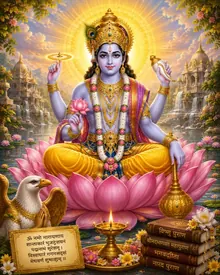
This Ekadashi falls two days after Dussehra (Vijayadashami), and a few days before Sharad Purnima. Check a local panchang for the exact date.
Significance of Papankusha Ekadashi
According to legend, near the Vindhyachal mountains lived a hunter named Kroor, who spent his entire life killing innocent animals and birds, and never performed a single virtuous deed. Once, wandering in the forest, he encountered the sage Angira.
Frightened by his sinful life, Kroor asked the sage Angira for a way to be freed of it, and the sage advised him to observe the vow of Ashwin Shukla Ekadashi, that is, Papankusha Ekadashi, with full rites, explaining that this vow tames sin just as a goad (ankusha) tames a maddened elephant.
The hunter Kroor observed this vow with devotion, and by its merit, all the sins of his lifetime were destroyed, and in the end, he attained Lord Vishnu's abode. For this reason, Papankusha Ekadashi is regarded as highly effective for the destruction of every sin.
How Papankusha Ekadashi Is Celebrated
Devotees bathe in the morning and take the vow, observing a fruit-based fast through the day. Lord Padmanabha, that is, Lord Vishnu, is worshipped, and the legend of Papankusha Ekadashi is heard.
The night is spent in vigil with bhajan-kirtan, and the next day, on Dwadashi, alms are given and the fast is broken within the scripturally prescribed Parana muhurat.
This vow is observed especially by devotees seeking freedom from their life's accumulated sins, and the legend of the hunter Kroor is regarded as symbolizing how even a single vow, observed with devotion, can destroy a lifetime's sins.
Papankusha Ekadashi Puja Vidhi
Bathe in the morning, take the vow, and observe a fruit-based fast. Worship Lord Padmanabha and listen to the legend of Papankusha Ekadashi. The next day, on Dwadashi, give alms and break the fast within the scripturally prescribed Parana muhurat.
About Papankusha Ekadashi
Papankusha Ekadashi is the vow observed on Ashwin Shukla Ekadashi for the destruction of every sin. This page covers the vow's significance, the legend of the hunter Kroor, and the vidhi for observing it.
The information on this page is presented with easy-to-read sizing and print support.
Frequently Asked Questions
When is Papankusha Ekadashi observed?
This vow is observed every year on Ashwin Shukla Ekadashi, two days after Dussehra.
How did Papankusha Ekadashi get its name?
'Paap' means sin, and 'Ankusha' means the goad that controls an elephant, this vow is believed to tame sin the way a goad tames a maddened elephant, which is why it is named Papankusha Ekadashi.
What is the legend of the hunter Kroor?
The hunter Kroor, who killed animals and birds throughout his life, observed the vow of Papankusha Ekadashi on the sage Angira's advice, and by its merit, all his sins were destroyed and he attained Vishnu's abode.
Who is Lord Padmanabha?
Lord Padmanabha is a form of Lord Vishnu, from whose navel a lotus emerged, and from that very lotus Lord Brahma was born, Papankusha Ekadashi is specifically dedicated to this form.