 Astha SangrahASTHA SANGRAHhttps://asthasangrah.com
Indira Ekadashi
Indira Ekadashi is observed on Ashwin Krishna Ekadashi, falling during Pitru Paksha itself, and is kept with the wish for ancestors' liberation and peaceful passage.
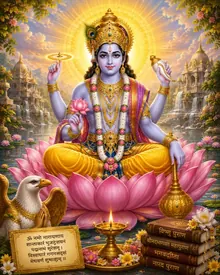
This Ekadashi falls during Pitru Paksha itself, a few days after Jivitputrika Vrat (Jitiya), and before the start of Shardiya Navratri. Check a local panchang for the exact date.
Significance of Indira Ekadashi
According to legend, King Indrasena's father had passed away, and once, the divine sage Narada informed the king that his father was suffering in hell, having unknowingly caused disruption to someone's Ekadashi vrat.
The distressed King Indrasena asked the divine sage Narada for a way to free his father from this suffering, and Narada advised him to observe the vow of Ashwin Krishna Ekadashi, that is, Indira Ekadashi, with full rites, and dedicate its merit to his father.
King Indrasena observed this vow with devotion, and by its merit, his father was freed from hell and attained heaven. For this reason, this Ekadashi, falling during Pitru Paksha, is regarded as especially effective for the liberation of one's ancestors.
How Indira Ekadashi Is Celebrated
Devotees bathe in the morning and take the vow, observing a fruit-based fast through the day. Lord Vishnu is worshipped, the legend of Indira Ekadashi is heard, and tarpan is offered on behalf of one's ancestors.
The next day, on Dwadashi, the fast is broken within the scripturally prescribed Parana muhurat, alongside feeding Brahmins and performing Shraddha rites, and the vow's merit is dedicated to the ancestors.
Since this Ekadashi falls during Pitru Paksha itself, many families also observe this vow in connection with their ancestors' Shraddha date, regarding it as especially dedicated to their ancestors' wellbeing.
Indira Ekadashi Puja Vidhi
Bathe in the morning, take the vow, and observe a fruit-based fast. Worship Lord Vishnu, listen to the legend of Indira Ekadashi, and offer tarpan for your ancestors. The next day, on Dwadashi, break the fast with Shraddha rites and alms-giving.
About Indira Ekadashi
Indira Ekadashi is the vow observed on Ashwin Krishna Ekadashi during Pitru Paksha, for the wish of ancestors' liberation. This page covers the vow's significance, the legend of King Indrasena, and the vidhi for observing it.
The information on this page is presented with easy-to-read sizing and print support.
Frequently Asked Questions
When is Indira Ekadashi observed?
This vow is observed every year on Ashwin Krishna Ekadashi, falling during Pitru Paksha.
How is Indira Ekadashi connected to ancestors' liberation?
According to legend, King Indrasena observed this vow on the sage Narada's advice and dedicated its merit to his father, who was suffering in hell, granting him liberation.
How is Indira Ekadashi related to Jivitputrika Vrat?
Both fall in the Krishna Paksha of Ashwin, during Pitru Paksha, Jivitputrika Vrat on Ashtami, for children's wellbeing, and Indira Ekadashi a few days later, for the liberation of ancestors.
What should be done on Indira Ekadashi?
One should observe a fruit-based fast, worship Lord Vishnu, offer tarpan for one's ancestors, and break the fast the next day on Dwadashi along with Shraddha rites.