 Astha SangrahASTHA SANGRAHhttps://asthasangrah.com
Mohini Ekadashi
Mohini Ekadashi is observed on Vaishakha Shukla Ekadashi, named after Lord Vishnu's Mohini avatar, and is kept with the wish for freedom from delusion and sin.
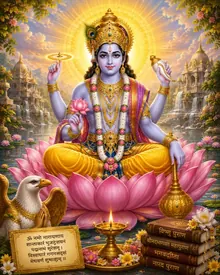
This Ekadashi falls a few days after Akshaya Tritiya, and a few days before Narasimha Jayanti. Check a local panchang for the exact date.
Significance of Mohini Ekadashi
When the pot of nectar emerged from the Samudra Manthan (churning of the ocean), a dispute broke out between the gods and demons over who would receive it. To resolve this dispute and ensure the nectar reached only the gods, Lord Vishnu took the form of an extraordinarily enchanting woman, 'Mohini'.
Enchanted by Mohini's divine beauty, the demons entrusted her with the responsibility of distributing the nectar. Lord Vishnu, in the form of Mohini, cleverly ensured that only the gods drank the nectar, making them immortal and enabling their victory over the demons.
In remembrance of this episode, Vaishakha Shukla Ekadashi is celebrated as Mohini Ekadashi, and it is believed that observing this vow frees a person from worldly delusion and grants the vision to recognize truth, much as the Mohini form used the demons' own delusion to establish the truth of a rightful distribution.
How Mohini Ekadashi Is Celebrated
According to a popular vrat katha, Dhrishtabuddhi, son of King Dhanapal of the city of Bhadravati, squandered and destroyed his father's wealth and became engrossed in sinful acts. Overcome with remorse, he wandered into a forest, where he met the sage Kaundinya.
The sage Kaundinya advised Dhrishtabuddhi to observe the vow of Mohini Ekadashi with full rites, to be freed of his sins. Dhrishtabuddhi observed this vow with devotion, and by its merit, all his sins were destroyed, and he attained a divine form.
In remembrance of this legend, devotees bathe in the morning and take the vow, worship Lord Vishnu's Mohini avatar, and break the fast the next day, on Dwadashi, within the scripturally prescribed Parana muhurat.
Mohini Ekadashi Puja Vidhi
Bathe in the morning, take the vow, and observe a fruit-based fast. Worship Lord Vishnu's Mohini avatar and listen to the legend of Dhrishtabuddhi. The next day, on Dwadashi, give alms and break the fast within the scripturally prescribed Parana muhurat.
About Mohini Ekadashi
Mohini Ekadashi is the vow observed on Vaishakha Shukla Ekadashi in remembrance of Lord Vishnu's Mohini avatar. This page covers the vow's significance, the legend of the Mohini avatar at the Samudra Manthan, and the vrat katha of Dhrishtabuddhi.
The information on this page is presented with easy-to-read sizing and print support.
Frequently Asked Questions
When is Mohini Ekadashi observed?
This vow is observed every year on Vaishakha Shukla Ekadashi.
How did Mohini Ekadashi get its name?
To ensure the nectar from the Samudra Manthan reached only the gods, saving it from the gods-demons dispute, Lord Vishnu took the form of an extraordinarily enchanting woman named Mohini, in remembrance of this episode, this Ekadashi is named Mohini Ekadashi.
What is the legend of Dhrishtabuddhi?
Dhrishtabuddhi, who squandered his father's wealth and became engrossed in sinful acts, observed the vow of Mohini Ekadashi on the sage Kaundinya's advice, and by its merit, all his sins were destroyed and he attained a divine form.
What is the benefit of observing Mohini Ekadashi?
It is believed that this vow frees a person from worldly delusion and all sins, and grants the vision to recognize truth.