 Astha SangrahASTHA SANGRAHhttps://asthasangrah.com
Devutthana Ekadashi (Prabodhini Ekadashi)
Devutthana Ekadashi is observed on Kartik Shukla Ekadashi, the day on which Lord Vishnu awakens from his four-month-long yogic slumber of Chaturmas, and with this, auspicious ceremonies resume once more.
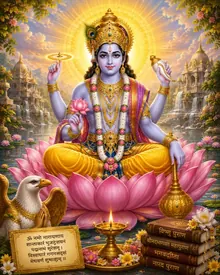
This festival falls exactly one day before Tulsi Vivah. In some traditions, it is also observed a day later as 'Gauna Devutthana Ekadashi'. Check a local panchang for the exact date.
Significance of Devutthana Ekadashi (Prabodhini Ekadashi)
It is believed that on Devshayani Ekadashi of the Ashadha month, Lord Vishnu retires to slumber in the Kshirsagar (ocean of milk), and after four months, awakens from his yogic sleep on this very Devutthana Ekadashi of the Kartik month. This four-month period is called 'Chaturmas', during which auspicious ceremonies like weddings are considered inauspicious.
With Lord Vishnu's awakening, Chaturmas is considered to end, and from this day, all auspicious ceremonies like weddings, housewarmings, and tonsure rites, considered inauspicious during Chaturmas, resume once more. This is why it is also called Prabodhini Ekadashi, meaning 'the Ekadashi that awakens'.
This festival falls exactly one day before Tulsi Vivah, and is also regarded as the day the preparations for the Tulsi-Shaligram wedding begin. There is a special tradition of waking Lord Vishnu on this day by blowing a conch and ringing a bell.
How Devutthana Ekadashi (Prabodhini Ekadashi) Is Celebrated
Devotees bathe in the morning and observe a fast on this day. In the evening, footprint impressions of Lord Vishnu are drawn with red ochre and rice flour in the home's courtyard, depicted as entering from outside into the courtyard, as though Lord Vishnu himself is arriving at the home.
Lord Vishnu is woken from his slumber by blowing a conch, ringing a bell, and singing special awakening songs. A sugarcane canopy is decorated near the Tulsi plant and the Shaligram is placed there, regarded as the preparation for the Tulsi Vivah that follows the next day.
From this day, the season for wedding muhurats, housewarmings, and other auspicious ceremonies is considered to begin, so many families start wedding-related preparations from this very day. The fast is broken the next day, on Dwadashi, within the scripturally prescribed Parana muhurat.
Devutthana Ekadashi (Prabodhini Ekadashi) Puja Vidhi
Bathe in the morning and observe the fast. In the evening, draw footprint impressions of Lord Vishnu in the courtyard. Wake Lord Vishnu by blowing a conch, ringing a bell, and singing awakening songs. Decorate a sugarcane canopy near the Tulsi plant and place the Shaligram there, and break the fast the next day on Dwadashi.
About Devutthana Ekadashi (Prabodhini Ekadashi)
Devutthana Ekadashi (Prabodhini Ekadashi) is observed on Kartik Shukla Ekadashi as the day of Lord Vishnu's awakening from his Chaturmas slumber. This page covers this day's significance, the concept of Chaturmas, and the tradition of the awakening ritual.
The information on this page is presented with easy-to-read sizing and print support.
Frequently Asked Questions
When is Devutthana Ekadashi observed?
Devutthana Ekadashi is observed every year on Kartik Shukla Ekadashi, one day before Tulsi Vivah.
What is Chaturmas?
Chaturmas is the four-month period from Devshayani Ekadashi in Ashadha to Devutthana Ekadashi in Kartik, during which auspicious ceremonies like weddings are considered inauspicious, since Lord Vishnu is in his slumber.
Why is Devutthana Ekadashi also called Prabodhini Ekadashi?
'Prabodhini' means 'the one that awakens', Lord Vishnu awakens from his Chaturmas yogic slumber on this very day, which is why it is also called Prabodhini Ekadashi.
What begins after Devutthana Ekadashi?
Tulsi Vivah is celebrated the very next day, and with this, the season for wedding muhurats, housewarmings, and other auspicious ceremonies, considered inauspicious during Chaturmas, is considered to begin.