 Astha SangrahASTHA SANGRAHhttps://asthasangrah.com
Shattila Ekadashi
Shattila Ekadashi is observed on Magha Krishna Ekadashi, marked by the special tradition of using sesame in six different ways, and is regarded as a vow that teaches the importance of charity.
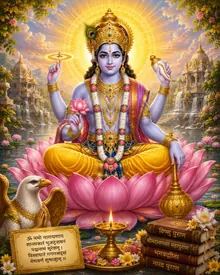
This Ekadashi falls a few days after Sakat Chauth, and a few days before Vasant Panchami. Check a local panchang for the exact date.
Significance of Shattila Ekadashi
In the Padma Purana, Lord Krishna tells Yudhishthira the sin-removing account of Shattila that the great sage Pulastya once gave Dalbhya. Dalbhya had asked how the beings of the mortal world, who so often sin, might be spared from hell. Pulastya answered with this vow of Magh Krishna Ekadashi.
According to Pulastya, when Magh comes one gives up desire, anger, pride, greed and slander, and makes one hundred and eight small cakes of cow-dung found on the ground, mixed with sesame and cotton. When the Ardra or Mula nakshatra arrives the vow is taken, arghya is offered with a pumpkin, coconut or citron while chanting Lord Krishna's name, the night is spent in vigil and homa, and a brahmin is given a pot of water, an umbrella, shoes, clothes, a black cow and a vessel full of sesame.
The vow takes its name from six uses of sesame: bathing with sesame, a sesame paste rub, homa with sesame, drinking water mixed with sesame, giving sesame and eating sesame. Then, at Narada's asking, Krishna tells of a brahmin woman who kept many vows but never gave food. When the Lord himself came to her as a kapalika asking for alms, she gave him a lump of clay. Reaching heaven she found a house empty of grain, and only when the goddesses told her of the Shattila vow and she kept it was the house filled with wealth and grain.
How Shattila Ekadashi Is Celebrated
This vow has a special tradition of using sesame in six ways, bathing with sesame-mixed water, applying a sesame paste to the body, offering sesame in a havan, drinking sesame-mixed water, giving sesame in charity, and eating sesame-based food.
Devotees bathe in the morning and take the vow, worship Lord Vishnu, hear the legend of Shattila Ekadashi, and give food, clothing, and sesame in charity to the poor, according to their capacity.
The fast is broken the next day, on Dwadashi, within the scripturally prescribed Parana muhurat. This vow especially serves as a reminder that charity, not worship and devotion alone, is an essential part of dharma.
Shattila Ekadashi Puja Vidhi
Bathe in the morning with sesame-mixed water and take the vow. Worship Lord Vishnu and listen to the legend of Shattila Ekadashi. Offer sesame in a havan, drink sesame-mixed water, and give food, clothing, and sesame in charity to the poor. The next day, on Dwadashi, break the fast.
About Shattila Ekadashi
Shattila Ekadashi is the vow observed on Magha Krishna Ekadashi, teaching the six uses of sesame and the importance of charity. This page covers its significance according to the Padma Purana, the vidhi given in Pulastya's dialogue with Dalbhya, the six uses of sesame and the story of the brahmin woman.
Frequently Asked Questions
When is Shattila Ekadashi observed?
This vow is observed every year on Magha Krishna Ekadashi.
What are the six uses of sesame on Shattila Ekadashi?
Bathing with sesame-mixed water, applying sesame paste to the body, offering sesame in a havan, drinking sesame-mixed water, giving sesame in charity, and eating sesame-based food, these are the six uses observed in this vow.
Who told the story of Shattila Ekadashi?
In the Padma Purana, Lord Krishna tells Yudhishthira that the great sage Pulastya taught its rite to Dalbhya, when Dalbhya asked how sinful beings might escape hell. Then, at Narada's asking, Krishna himself tells the story of the brahmin woman who never gave food.
What is the main teaching of Shattila Ekadashi?
This vow teaches that worship and devotion alone are not enough, giving in charity, according to one's capacity, is also an essential and inseparable part of dharma.