 Astha SangrahASTHA SANGRAHhttps://asthasangrah.com
Naraka Chaturdashi (Choti Diwali)
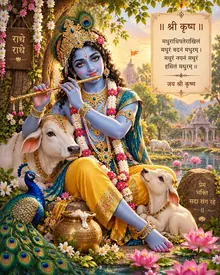
Naraka Chaturdashi, also called Choti Diwali, is the second day of the Diwali festival, commemorating Lord Krishna's defeat of the demon Narakasura.
In 2026 and 2028, due to a shortened (kshaya) Chaturdashi tithi, Naraka Chaturdashi and Diwali (Lakshmi Puja) both fall on the same day (8 November in 2026, 17 October in 2028). In such years, the morning Abhyanga Snan is performed, and the Lakshmi Puja is also held that same evening. In some regions, this tithi is also observed as 'Kali Chaudas'.
Significance of Naraka Chaturdashi (Choti Diwali)
It is believed that on this tithi, Lord Krishna, along with his wife Satyabhama, slayed the tyrannical demon Narakasura and freed the 16,000 women held captive by him. In remembrance of this victory, the day is called 'Naraka Chaturdashi', symbolizing the triumph of good over evil.
There is a tradition of waking before sunrise on this day and bathing with oil and an herbal paste (ubtan), called 'Abhyanga Snan'. It is believed that this bath frees one from the torments of hell (naraka) and grants merit equal to bathing in a sacred river.
In some regions, especially parts of Maharashtra and Gujarat, this tithi is observed as 'Kali Chaudas', in which Maa Kali is worshipped for protection from negative forces. This is the second day of the Diwali festival, also called 'Choti Diwali' (little Diwali).
How Naraka Chaturdashi (Choti Diwali) Is Celebrated
Devotees wake before sunrise, apply sesame oil and an herbal ubtan paste to the body, and bathe. New clothes are worn afterward, followed by the worship of Lord Krishna.
Fourteen lamps, called 'Chaudas ke Diye', are lit at the main door and courtyard, and placed in every corner of the home, in the belief that they drive away negative energies.
Homes are decorated with lamps this evening, and sweets are exchanged as part of Choti Diwali, building the festive mood ahead of the main Diwali the following day.
Naraka Chaturdashi (Choti Diwali) Puja Vidhi
Wake before sunrise, apply sesame oil and an ubtan paste, and bathe. After bathing, wear new clothes and worship Lord Krishna. In the evening, light fourteen lamps at the main door and courtyard.
About Naraka Chaturdashi (Choti Diwali)
Naraka Chaturdashi, also called Choti Diwali, is the second day of the Diwali festival, commemorating Lord Krishna's defeat of the demon Narakasura. This page covers the day's significance, the Abhyanga Snan tradition, Kali Chaudas, and the ritual of lighting fourteen lamps.
See the separate pages for Diwali's other days, Dhanteras, Diwali, Govardhan Puja, and Bhai Dooj. The information on this page is presented with easy-to-read sizing and print support.
Frequently Asked Questions
When is Naraka Chaturdashi observed?
Naraka Chaturdashi is observed one day before Diwali, on Kartik Krishna Chaturdashi tithi.
What is Abhyanga Snan?
Abhyanga Snan is a pre-dawn bath with sesame oil and an herbal ubtan paste, traditionally performed on Naraka Chaturdashi morning, believed to carry the same merit as bathing in a sacred river.
Who was Narakasura?
Narakasura was a tyrannical demon who had held 16,000 women captive. Lord Krishna, together with Satyabhama, slayed him and freed them.
What is the difference between Choti Diwali and Kali Chaudas?
Both are observed on the same tithi, Kartik Krishna Chaturdashi. 'Choti Diwali' refers to it as the day preparing for the main Diwali, while 'Kali Chaudas' refers to the tradition, in some regions, of worshipping Maa Kali.