 Astha SangrahASTHA SANGRAHhttps://asthasangrah.com
Makar Sankranti
Makar Sankranti is the festival marking the Sun's entry into the Capricorn (Makar) zodiac, falling every year on a fixed solar date, either 14 or 15 January.
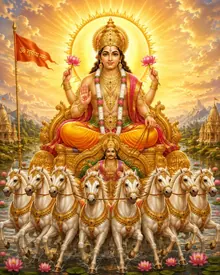
Makar Sankranti is the one major Hindu festival based on solar reckoning rather than a lunar tithi, which is why it falls on nearly the same Gregorian date (14 or 15 January) every year. Across India, it is celebrated under different names, Pongal (Tamil Nadu), Lohri (Punjab), Bihu (Assam), and Uttarayan (Gujarat).
Significance of Makar Sankranti
Makar Sankranti marks Lord Surya's entry from Sagittarius into the Capricorn (Makar) zodiac. From this day, the Sun begins its northward journey, called 'Uttarayan', and days gradually start growing longer. The Uttarayan period is considered the day of the gods and especially favourable for auspicious undertakings.
The festival is also observed as a harvest festival, since this is the season of the rabi crop harvest. This is why it is celebrated with great joy under different names, as Lohri in Punjab, Pongal in Tamil Nadu, Magh Bihu in Assam, and Uttarayan in Gujarat and Rajasthan.
It is believed that bathing and giving charity in sacred rivers, including at Gangasagar, on this day carries special merit. Bhishma Pitamaha, despite holding the boon of choosing his own time of death, is said to have waited for the Uttarayan period before giving up his body, illustrating the significance attached to this time.
How Makar Sankranti Is Celebrated
On this day, devotees bathe in sacred rivers in the morning and offer arghya to the Sun. Donating sesame seeds, jaggery, khichdi, and blankets is considered especially meritorious, which is why the festival is also known as 'Khichdi' in North India.
Laddoos and other sweets made of sesame and jaggery are prepared and shared with one another, accompanied by the saying 'take til-gud, speak sweetly', wishing for warmth and good relations.
In Gujarat and Rajasthan, a grand kite-flying festival is held on this day, while Tamil Nadu observes the four-day Pongal festival with the worship of the Sun, cattle, and the land, and Punjab lights the Lohri bonfire the night before.
Makar Sankranti Puja Vidhi
Bathe in a sacred river or at home in the morning and offer arghya of water to the Sun. Donate sesame, jaggery, khichdi, or blankets as per your capacity. Prepare til-gud sweets at home, share them with family and neighbours, and recite the Surya Chalisa.
About Makar Sankranti
Makar Sankranti marks the Sun's entry into Capricorn and the start of the Uttarayan period, observed every year on a nearly fixed solar date. This page covers the festival's significance, the khichdi-daan tradition, and its different regional forms across India, Pongal, Lohri, Bihu, and Uttarayan.
The information on this page is presented with easy-to-read sizing and print support.
Frequently Asked Questions
When is Makar Sankranti observed?
Makar Sankranti is observed every year on 14 or 15 January, the day the Sun transits from Sagittarius into Capricorn.
Why does Makar Sankranti fall on nearly the same date every year?
Most Hindu festivals follow the lunar tithi, which shifts every year, but Makar Sankranti is based on the Sun's motion, so it falls on a nearly fixed date in the Gregorian calendar.
What is Uttarayan?
Uttarayan is the period of the Sun's northward movement, beginning from Makar Sankranti, and is considered especially favourable for auspicious undertakings.
Why is Makar Sankranti also called Khichdi?
In North India, donating and eating khichdi on this day is a central tradition, which is why the festival is also known as 'Khichdi' in many regions.