 Astha SangrahASTHA SANGRAHhttps://asthasangrah.com
Amalaki Ekadashi (Rangbhari Ekadashi)
Amalaki Ekadashi is observed on Phalguna Shukla Ekadashi, marked by the special worship of the Amla (Indian gooseberry) tree, and in Kashi, this same day is celebrated as Rangbhari Ekadashi.
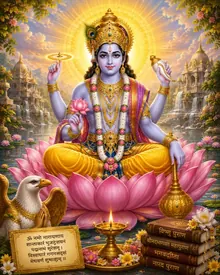
This Ekadashi falls between Maha Shivratri and Holi. In some years, the Smarta and Vaishnava traditions observe it a day apart. Check a local panchang for the exact date.
Significance of Amalaki Ekadashi (Rangbhari Ekadashi)
It is believed that at the time of creation, tears of joy fell from Lord Brahma's eyes upon beholding Lord Vishnu, and from the drops of these tears, the Amla tree came into being. This is why the Amla tree is regarded as a form of Lord Vishnu himself, and is called the 'tree dear to Vishnu'.
According to this belief, worshipping Lord Vishnu while seated beneath the Amla tree on Phalguna Shukla Ekadashi, and offering water at its roots, brings special grace from Lord Vishnu and destroys every sin.
In Kashi (Varanasi), this same day is celebrated as 'Rangbhari Ekadashi', the day Lord Shiva brought Mata Parvati to his city of Kashi for the first time after their wedding. In observance of this, Holi is inaugurated at the Kashi Vishwanath Temple by offering gulal to Lord Shiva and Mata Parvati.
How Amalaki Ekadashi (Rangbhari Ekadashi) Is Celebrated
Devotees bathe in the morning and take the vow, worshipping Lord Vishnu while seated beneath the Amla tree, offering water and milk at its roots, and circling it.
In Kashi, a grand palanquin procession of Baba Vishwanath is taken out on this day, and devotees offer gulal to Lord Shiva and Mata Parvati, playing with colors and gulal with one another, marking the start of Holi's celebration in Kashi.
The fast is broken the next day, on Dwadashi, within the scripturally prescribed Parana muhurat, and eating the Amla fruit and dishes made from it is considered especially auspicious on this day.
Amalaki Ekadashi (Rangbhari Ekadashi) Puja Vidhi
Bathe in the morning and take the vow. Worship Lord Vishnu while seated beneath the Amla tree, offer water and milk at its roots, and circle it. The next day, on Dwadashi, break the fast within the scripturally prescribed Parana muhurat.
About Amalaki Ekadashi (Rangbhari Ekadashi)
Amalaki Ekadashi is the vow observed on Phalguna Shukla Ekadashi for worshipping the Amla tree, also celebrated in Kashi as Rangbhari Ekadashi. This page covers the vow's significance, the legend of the Amla tree, and the tradition of Kashi's Rangbhari celebration.
The information on this page is presented with easy-to-read sizing and print support.
Frequently Asked Questions
When is Amalaki Ekadashi observed?
This vow is observed every year on Phalguna Shukla Ekadashi, falling between Maha Shivratri and Holi.
Why is the Amla tree worshipped on Amalaki Ekadashi?
It is believed that the Amla tree originated from Lord Brahma's tears of joy, and it is therefore worshipped on this day as a form of Lord Vishnu himself.
What is Rangbhari Ekadashi?
In Kashi (Varanasi), Amalaki Ekadashi is celebrated as Rangbhari Ekadashi, the day Lord Shiva first brought Mata Parvati to Kashi after their wedding, and Holi is considered to begin in Kashi from this very day.
Why does the date differ between Smarta and Vaishnava traditions?
In some years, based on the exact Ekadashi tithi calculation, the Smarta tradition observes the fast one day and the Vaishnava (Gauna) tradition the next, this difference arises from the finer points of panchang calculation.