 Astha SangrahASTHA SANGRAHhttps://asthasangrah.com
Sakat Chauth (Tilkuta Chauth)
Sakat Chauth is the vow observed by mothers on Magh Krishna Chaturthi, for the long life and wellbeing of their children, worshipping Lord Ganesha and Sakat Mata.
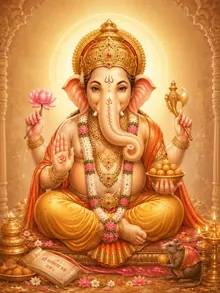
Among the Sankashti Chaturthis that occur every month, this is the one falling in the Magh month, given special significance. The exact moonrise time varies by city and year, so check a local panchang.
Significance of Sakat Chauth (Tilkuta Chauth)
Sakat Chauth is also called Sankashti Chaturthi, which occurs on the Krishna Paksha Chaturthi of every month, but the one falling in the Magh month is observed with special significance as Sakat Chauth. It is believed that worshipping Lord Ganesha and Sakat Mata (Sankata Devi) on this day removes every hardship and wards off calamities facing one's children.
Sakat Mata is regarded as the goddess who destroys hardships, and is worshipped as Lord Ganesha's mother, or as a power closely linked to him. This is why both Ganesha and Sakat Mata are worshipped together in this vow.
This vow is also called Tilkuta Chauth or Til Chauth, because sesame-and-jaggery laddus are offered to Lord Ganesha on this day, and mothers themselves also break their fast by eating the very same laddus.
How Sakat Chauth (Tilkuta Chauth) Is Celebrated
Mothers bathe in the morning and take the vow, observing a fast without food, or a fruit-only fast, through the day. Laddus made of sesame and jaggery are prepared and offered to Lord Ganesha and Sakat Mata.
In the evening, after the puja, the Sakat Chauth legend is heard, and upon the moon's rise, arghya is offered to it with water and sesame-jaggery. The fast is broken only after this arghya is offered to the moon.
In some regions, a clay idol of Ganesha is made and worshipped on this day, and after the puja, sesame-jaggery laddus and other dishes are shared with the family.
Sakat Chauth (Tilkuta Chauth) Puja Vidhi
Bathe in the morning, take the vow, and observe a fast without food or a fruit-only fast. Prepare sesame-jaggery laddus and offer them to Lord Ganesha and Sakat Mata. In the evening, perform the puja and listen to the Sakat Chauth legend, and break the fast by offering water and sesame-jaggery as arghya to the moon upon its rise.
About Sakat Chauth (Tilkuta Chauth)
Sakat Chauth is the vow observed by mothers on Magh Krishna Chaturthi for their children's wellbeing. This page covers the vow's significance, the tradition of offering sesame-jaggery, and the method of offering arghya to the moon.
The information on this page is presented with easy-to-read sizing and print support.
Frequently Asked Questions
When is Sakat Chauth observed?
Sakat Chauth is observed every year on Magh Krishna Chaturthi, which is also the Sankashti Chaturthi of the Magh month.
When is the Sakat Chauth fast broken?
The fast is broken in the evening upon the moon's rise, by offering it arghya of water and sesame-jaggery.
Why is Sakat Chauth also called Tilkuta Chauth?
On this day, laddus made of sesame and jaggery (tilkuta) are offered to Lord Ganesha, and mothers also break their fast with the same, which is why it is also called Tilkuta Chauth.
Who is Sakat Mata?
Sakat Mata (Sankata Devi) is regarded as the goddess who destroys hardships, worshipped as a power closely linked to Lord Ganesha, and she is worshipped alongside him in this vow.