 Astha SangrahASTHA SANGRAHhttps://asthasangrah.com
Raksha Bandhan
Raksha Bandhan is the festival celebrating the unbreakable bond between brothers and sisters, observed on Shravan Purnima when a sister ties a rakhi on her brother's wrist.
Raksha Bandhan's auspicious muhurat is also fixed within a Bhadra-free window, since tying a rakhi during Bhadra is considered inauspicious, so check a local panchang for the exact timing. This same Shravan Purnima is observed as 'Narali Purnima' along the Konkan and coastal Maharashtra, with worship of the sea.
Significance of Raksha Bandhan
'Raksha Bandhan' means 'the bond of protection'. On this day, a sister ties a rakhi on her brother's wrist, praying for his long life and wellbeing, and the brother pledges to protect her. The oldest legend behind tying a protective thread involves Indra and Indrani, when Indra seemed certain to lose his battle against the demons, his wife Indrani (Sachi) tied a protective thread, blessed by Lord Vishnu, on his wrist, and he went on to win.
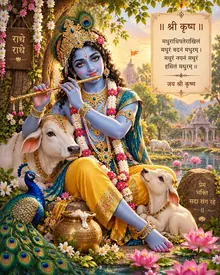
Another beloved legend recounts that when Lord Krishna's finger was cut during the slaying of Shishupala, Draupadi tore a strip from her saree and tied it around his wrist. Touched by this, Krishna vowed to always protect her, a promise he later kept during the episode of her attempted disrobing.
The festival isn't limited to blood siblings, cousins, friends, and, symbolically, soldiers and even trees are tied a rakhi, reflecting the broader spirit of 'protection' that the thread represents.
How Raksha Bandhan Is Celebrated
Sisters prepare a puja thali with roli, akshat, a lamp, sweets, and the rakhi. During the auspicious Bhadra-free muhurat, the brother's aarti is performed and a tilak is applied to his forehead.
The sister then ties the rakhi on her brother's wrist and feeds him sweets. In return, the brother offers his sister a gift or money and pledges his lifelong protection and support.
Along the Konkan and coastal Maharashtra, this same day is observed as 'Narali Purnima', when fishing communities offer a coconut to the sea god, marking the start of the fishing season after the monsoon.
Raksha Bandhan Puja Vidhi
Prepare the puja thali with roli, akshat, a lamp, sweets, and the rakhi. During the auspicious Bhadra-free muhurat, seat the brother, perform his aarti, apply a tilak on his forehead, and tie the rakhi on his wrist. Feed him sweets and accept a gift or dakshina from him.
About Raksha Bandhan
Raksha Bandhan is the festival celebrating the unbreakable bond between brothers and sisters, observed on the Purnima of the Shravan month. This page covers the festival's significance, the legends of Indra-Indrani and Draupadi-Krishna, and the rakhi-tying vidhi.
The information on this page is presented with easy-to-read sizing and print support.
Frequently Asked Questions
When is Raksha Bandhan observed?
Raksha Bandhan is observed every year on the Purnima tithi of the Shravan month, usually falling in August.
Why is Bhadra Kaal avoided on Raksha Bandhan?
Bhadra Kaal is considered inauspicious, and it is believed that tying a rakhi during this period brings misfortune rather than wellbeing to the brother, which is why the muhurat is always fixed outside it.
Is Raksha Bandhan only for blood siblings?
No, cousins, close friends, and, symbolically, soldiers and trees are also tied a rakhi, reflecting the broader spirit of protection and affection the thread carries.
What is Narali Purnima?
Narali Purnima is a tradition observed along the Konkan and coastal Maharashtra on the same day as Raksha Bandhan, in which fishing communities offer a coconut to the sea god to mark the start of the fishing season.