 Astha SangrahASTHA SANGRAHhttps://asthasangrah.com
Sankat Mochan Hanumanashtak
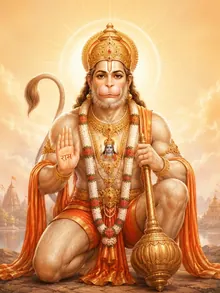
The Sankat Mochan Hanumanashtak is an eight-verse hymn composed by Goswami Tulsidas, describing eight great episodes in Hanuman's life where he removed some grave crisis, addressing him throughout as 'Sankatmochan', the remover of troubles. It is also known in some places as the 'Sankatmochan Chaupai.'
Reading details
बाल समय रवि भक्षि लियो तब,
तीनहुँ लोक भयो अँधियारो।
Baal samay ravi bhakshi liyo tab, Teenahun lok bhayo andhiyaro.
ताहि सों त्रास भयो जग को,
यह संकट काहु सों जात न टारो।
Taahi son tras bhayo jag ko, Yah sankat kaahu son jaat na taaro.
देवन आनि करी बिनती तब,
छाँड़ि दियो रबि कष्ट निवारो।
Devan aani kari binati tab, Chhaandi diyo rabi kasht nivaaro.
को नहिं जानत है जग में कपि,
संकटमोचन नाम तिहारो॥१॥
Ko nahin jaanat hai jag mein kapi, Sankatmochan naam tihaaro.
बालि की त्रास कपीस बसैं गिरि,
जात महाप्रभु पंथ निहारो।
Baali ki tras Kapees basain giri, Jaat mahaaprabhu panth nihaaro.
चौंकि महा मुनि साप दियो तब,
चाहिय कौन बिचार बिचारो।
Chaunki maha muni saap diyo tab, Chaahiya kaun bichaar bichaaro.
कै द्विज रूप लिवाय महाप्रभु,
सो तुम दास के सोक निवारो।
Kai dwij roop livaay mahaaprabhu, So tum daas ke sok nivaaro.
को नहिं जानत है जग में कपि,
संकटमोचन नाम तिहारो॥२॥
Ko nahin jaanat hai jag mein kapi, Sankatmochan naam tihaaro.
अंगद के सँग लेन गये सिय,
खोज कपीस यह बैन उचारो।
Angad ke sang len gaye Siya, Khoj Kapees yah bain uchaaro.
जीवत ना बचिहौ हम सो जु,
बिना सुधि लाए इहाँ पगु धारो।
Jeevat na bachihau ham so ju, Bina sudhi laaye ihaan pagu dhaaro.
हेरि थके तट सिंधु सबै तब,
लाय सिया-सुधि प्रान उबारो।
Heri thake tat sindhu sabai tab, Laay Siya-sudhi praan ubaaro.
को नहिं जानत है जग में कपि,
संकटमोचन नाम तिहारो॥३॥
Ko nahin jaanat hai jag mein kapi, Sankatmochan naam tihaaro.
रावन त्रास दई सिय को सब,
राक्षसि सों कहि सोक निवारो।
Ravan tras dai Siya ko sab, Rakshasi son kahi sok nivaaro.
ताहि समय हनुमान महाप्रभु,
जाय महा रजनीचर मारो।
Taahi samay Hanuman mahaaprabhu, Jaay mahaa rajaneechar maaro.
चाहत सीय असोक सों आगि सु,
दै प्रभु मुद्रिका सोक निवारो।
Chaahat Siya asok son aagi su, Dai prabhu mudrika sok nivaaro.
को नहिं जानत है जग में कपि,
संकटमोचन नाम तिहारो॥४॥
Ko nahin jaanat hai jag mein kapi, Sankatmochan naam tihaaro.
बान लग्यो उर लछिमन के तब,
प्रान तजे सुत रावन मारो।
Baan lagyo ur Lachhiman ke tab, Praan taje sut Ravan maaro.
लै गृह बैद्य सुषेन समेत तबै,
गिरि द्रोन सु बीर उपारो।
Lai grih vaidya Sushen samet tabai, Giri Dron su beer upaaro.
आनि सजीवन हाथ दई तब,
लछिमन के तुम प्रान उबारो।
Aani sajeevan haath dai tab, Lachhiman ke tum praan ubaaro.
को नहिं जानत है जग में कपि,
संकटमोचन नाम तिहारो॥५॥
Ko nahin jaanat hai jag mein kapi, Sankatmochan naam tihaaro.
रावन जुद्ध अजान कियो तब,
नाग कि फाँस सबै सिर डारो।
Ravan judh ajaan kiyo tab, Naag ki phaans sabai sir daaro.
श्रीरघुनाथ समेत सबै दल,
मोह भयो यह संकट भारो।
Shri Raghunath samet sabai dal, Moh bhayo yah sankat bhaaro.
आनि खगेस तबै हनुमान जु,
बंधन काटि सुत्रास निवारो।
Aani Khagesh tabai Hanuman ju, Bandhan kaati sutraas nivaaro.
को नहिं जानत है जग में कपि,
संकटमोचन नाम तिहारो॥६॥
Ko nahin jaanat hai jag mein kapi, Sankatmochan naam tihaaro.
बंधु समेत जबै अहिरावन,
लै रघुनाथ पताल सिधारो।
Bandhu samet jabai Ahiravan, Lai Raghunath patal sidhaaro.
देबिहिं पूजि भली बिधि सों बलि,
देउ सबै मिलि मंत्र बिचारो।
Debihin pooji bhali bidhi son bali, Deu sabai mili mantra bichaaro.
जाय सहाय भयो तब ही,
अहिरावन सैन्य समेत सँहारो।
Jaay sahaay bhayo tab hi, Ahiravan sainya samet sanhaaro.
को नहिं जानत है जग में कपि,
संकटमोचन नाम तिहारो॥७॥
Ko nahin jaanat hai jag mein kapi, Sankatmochan naam tihaaro.
काज कियो बड़ देवन के तुम,
बीर महाप्रभु देखि बिचारो।
Kaaj kiyo bad devan ke tum, Beer mahaaprabhu dekhi bichaaro.
कौन सो संकट मोर गरीब को,
जो तुमसों नहिं जात है टारो।
Kaun so sankat mor gareeb ko, Jo tumson nahin jaat hai taaro.
बेगि हरो हनुमान महाप्रभु,
जो कुछ संकट होय हमारो।
Begi haro Hanuman mahaaprabhu, Jo kuchh sankat hoy hamaaro.
को नहिं जानत है जग में कपि,
संकटमोचन नाम तिहारो॥८॥
Ko nahin jaanat hai jag mein kapi, Sankatmochan naam tihaaro.
लाल देह लाली लसे, अरू धरि लाल लँगूर।
बज्र देह दानव दलन, जय जय जय कपि सूर॥
Laal deh laali lase, aru dhari laal langoor. Bajra deh danav dalan, jai jai jai kapi soor.
For a vrat, some devotees read it several times in one sitting: 11, 21, or 108. Save your reading count with this counter.
How to Read Sankat Mochan Hanumanashtak
On Tuesdays or Saturdays, or at any time of difficulty, bathe, light a lamp, and recite this Ashtak with devotion. Be sure to repeat the closing doha at the end of the full reading.
About Sankat Mochan Hanumanashtak
The Sankat Mochan Hanumanashtak comprises eight verses, each recalling one episode from Hanuman's life and closing with the refrain, 'Who in this world does not know your name, Sankatmochan?' The composition closes with a doha.
This page presents the full text in clean Devanagari, with a simple meaning for every line. Text size can be adjusted, the meaning can be read aloud, and the full reading can also be printed.
Benefits of Reading the Hanumanashtak
It is believed that reciting it with devotion in times of crisis, fear, or hardship brings Hanuman's swift help and relief from suffering; each verse recalls an episode from his life where he removed just such a crisis, reinforcing the faith that no trouble is beyond his power to resolve.
About Goswami Tulsidas
The Sankat Mochan Hanumanashtak was composed by Goswami Tulsidas, who also authored the Hanuman Chalisa and the Ramcharitmanas. It recalls eight episodes from Hanuman's life, swallowing the sun, aiding Sugriva, the search for Sita, the Ashoka grove, the Sanjeevani mountain, escaping the serpent-noose, and the slaying of Ahiravan, addressing him throughout as Sankatmochan, the remover of troubles. This composition is also referred to in some places as the 'Sankatmochan Chaupai,' although it is composed not in the chaupai meter but in the Mattagajendra meter.
Frequently asked questions
Who composed the Sankat Mochan Hanumanashtak?
It was composed by Goswami Tulsidas, who also wrote the Hanuman Chalisa and the Ramcharitmanas.
Why is it also called the 'Sankatmochan Chaupai'?
In common usage it is also called a 'chaupai,' though it is in fact an eight-verse hymn composed in the Mattagajendra meter, not the chaupai meter.
Which episodes does the Hanumanashtak describe?
It describes eight episodes: swallowing the sun, aiding Sugriva, the search for Sita, comforting Sita in the Ashoka grove, bringing the Sanjeevani mountain, freeing the army from the serpent-noose, and the slaying of Ahiravan.
What is the best time to recite the Hanumanashtak?
Reciting it on Tuesdays and Saturdays, or during any time of crisis or hardship, is considered especially beneficial.
What are the benefits of reciting the Hanumanashtak?
It is believed that reciting it with devotion in times of crisis, fear, or hardship brings Hanuman's swift help and relief from suffering; each verse recalls an episode from his life where he removed just such a crisis, reinforcing the faith that no trouble is beyond his power to resolve.