 Astha SangrahASTHA SANGRAHhttps://asthasangrah.com
Skanda Sashti
Skanda Sashti is observed on Kartik Shukla Shashthi, commemorating Lord Kartikeya's slaying of the demon Soorapadman and his victory over evil.
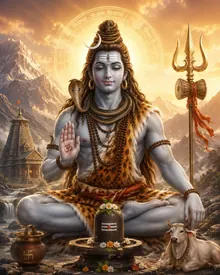
Shashthi tithi occurs every lunar month and is observed locally as 'Masik Sashti', but this Shashthi in the Kartik month (Tamil Aippasi month) is regarded as the biggest and principal 'Skanda Sashti'. This same tithi also coincides with Chhath Puja's main Sandhya Arghya day in North India.
Significance of Skanda Sashti
According to legend, troubled by the tyranny of the demon Soorapadman and his brothers Tarakasura and Simhamukha, the gods sought Lord Shiva's help. From six sparks of Shiva's radiance, Maa Parvati gave birth to Lord Kartikeya, who grew into a master of warfare and the commander of the gods' army, born to destroy these demons.
After six days of fierce battle, on Shashthi tithi, Lord Kartikeya slayed Soorapadman with his vel (spear), an event called 'Soora Samharam'. It is believed that Soorapadman finally took the form of a mango tree, which Kartikeya split into two, transforming the halves into his vehicle, the peacock, and the rooster on his banner.
The festival is observed with special devotion in Tamil Nadu and South India by followers of Lord Murugan (Kartikeya's Tamil name), and at the Murugan temple in Tiruchendur, a dramatic re-enactment of Soora Samharam is presented with particular grandeur.
How Skanda Sashti Is Celebrated
Devotees begin the vow six days before Shashthi, that is, from Pratipada, observing a phalahar or single-meal fast. Through these six days, special abhishek and worship are held in temples of Lord Murugan.
On Shashthi, temples stage a dramatic re-enactment of 'Soora Samharam', depicting the battle between Lord Kartikeya and the demon Soorapadman, and the demon's transformation into the peacock and rooster.
On Saptami tithi, the wedding celebration of Lord Murugan and Devasena, called 'Tiru Kalyanam', is observed, marking the conclusion of the Skanda Sashti vow.
Skanda Sashti Puja Vidhi
Observe a phalahar or single-meal fast for six days, from Pratipada to Shashthi. On Shashthi, perform special worship and abhishek of Lord Kartikeya, and if possible, join the Soora Samharam celebration at a Murugan temple. On Saptami, break the fast with the Tiru Kalyanam celebration.
About Skanda Sashti
Skanda Sashti is observed on Kartik Shukla Shashthi, commemorating Lord Kartikeya's victory over the demon Soorapadman. This page covers the festival's significance, the legend of the six-day battle, and the celebrations of Soora Samharam and Tiru Kalyanam.
The information on this page is presented with easy-to-read sizing and print support.
Frequently Asked Questions
When is Skanda Sashti observed?
The main annual Skanda Sashti is observed on the Shashthi tithi of the Kartik month (Tamil Aippasi month), usually falling in October–November.
What is Soora Samharam?
Soora Samharam is the event of Lord Kartikeya slaying the demon Soorapadman on Shashthi tithi, after six days of battle, symbolizing good's victory over evil.
What are Lord Kartikeya's other names?
Lord Kartikeya is also known as Murugan and Subramanyam in South India, and as Skanda and Shadanan (the six-faced one) in North India.
How many days is the Skanda Sashti vow?
The vow begins six days before Shashthi, on Pratipada, and continues through Shashthi tithi, concluding on Saptami with the Tiru Kalyanam celebration.