
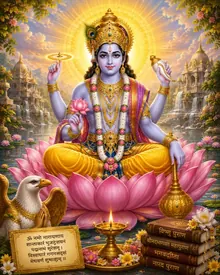
Guru Purnima is also called 'Vyasa Purnima', and in the Buddhist tradition, this same tithi is observed in remembrance of Lord Buddha's first sermon at Sarnath.
Significance of Guru Purnima
Guru Purnima is celebrated to mark the birth anniversary of Maharishi Ved Vyas, which is why it is also called 'Vyasa Purnima'. Maharishi Ved Vyas is credited with compiling the four Vedas, composing the eighteen Puranas, and authoring the epic Mahabharata. He is worshipped in the Sanatan tradition as the Adi Guru, the first guru.
In the Sanatan tradition, the guru is regarded as equal to, or even greater than, God, since it is the guru who leads a disciple from the darkness of ignorance to the light of knowledge. The verse expressing this sentiment, 'Guru Brahma, Guru Vishnu, Guru Devo Maheshwara', is especially recited on the occasion of Guru Purnima.
In the Buddhist tradition, this same tithi is observed in remembrance of Lord Buddha delivering his first sermon to his five disciples at Sarnath, and in the Jain tradition too, respect is shown to one's gurus on this day.
How Guru Purnima Is Celebrated
Disciples touch their guru's feet and offer them flowers, clothes, and fruit, expressing gratitude for their guidance and teaching. Those unable to be physically present with their guru remember them and seek their blessings.
Ashrams and educational institutions hold special satsangs, discourses, and worship of Ved Vyas on this day. Many devotees observe a phalahar fast on this day, spending time in spiritual practice.
In the yogic and spiritual tradition, Guru Purnima is also observed as the day Lord Shiva, as the Adi Yogi or first guru, transmitted the knowledge of yoga to the Saptarishis.
Guru Purnima Puja Vidhi
Bathe in the morning and meditate on your guru, or visit them and touch their feet. Offer them flowers, clothes, and fruit and receive their blessings. Remember and worship Maharishi Ved Vyas, and spend the day in satsang and self-study while observing a phalahar fast.
About Guru Purnima
Guru Purnima is observed on Ashadha Purnima, dedicated to Maharishi Ved Vyas's birth anniversary and to expressing gratitude toward one's guru. This page covers the festival's significance, Maharishi Ved Vyas's contribution, and the tradition of guru worship.
The information on this page is presented with easy-to-read sizing and print support.
Frequently Asked Questions
When is Guru Purnima observed?
Guru Purnima is observed every year on the Purnima tithi of the Ashadha month, usually falling in June–July.
Why is Guru Purnima also called Vyasa Purnima?
Maharishi Ved Vyas was born on this very tithi, and he compiled the Vedas and composed the Puranas and the Mahabharata, which is why the day is also called Vyasa Purnima.
What is done on Guru Purnima?
On this day, disciples touch their guru's feet, offer them flowers, clothes, and fruit, and express gratitude for their guidance.
Is Guru Purnima observed in other traditions too?
Yes, in the Buddhist tradition, this same tithi is observed in remembrance of Lord Buddha's first sermon at Sarnath, and the Jain tradition also honours gurus on this day.